The EU Conversations 2026
In light of the evolving geopolitical landscape and its impact on the European Union, the upcoming high-level international conference “The EU Conversations 2026: Protecting the Future” will take place on April 10, 2026. Organized by the Latvian Institute of International Affairs in cooperation with the European Commission Representation in Latvia and the Parliament of the Republic of Latvia, this event will serve as a key forum for discussing Europe’s most pressing challenges and opportunities.
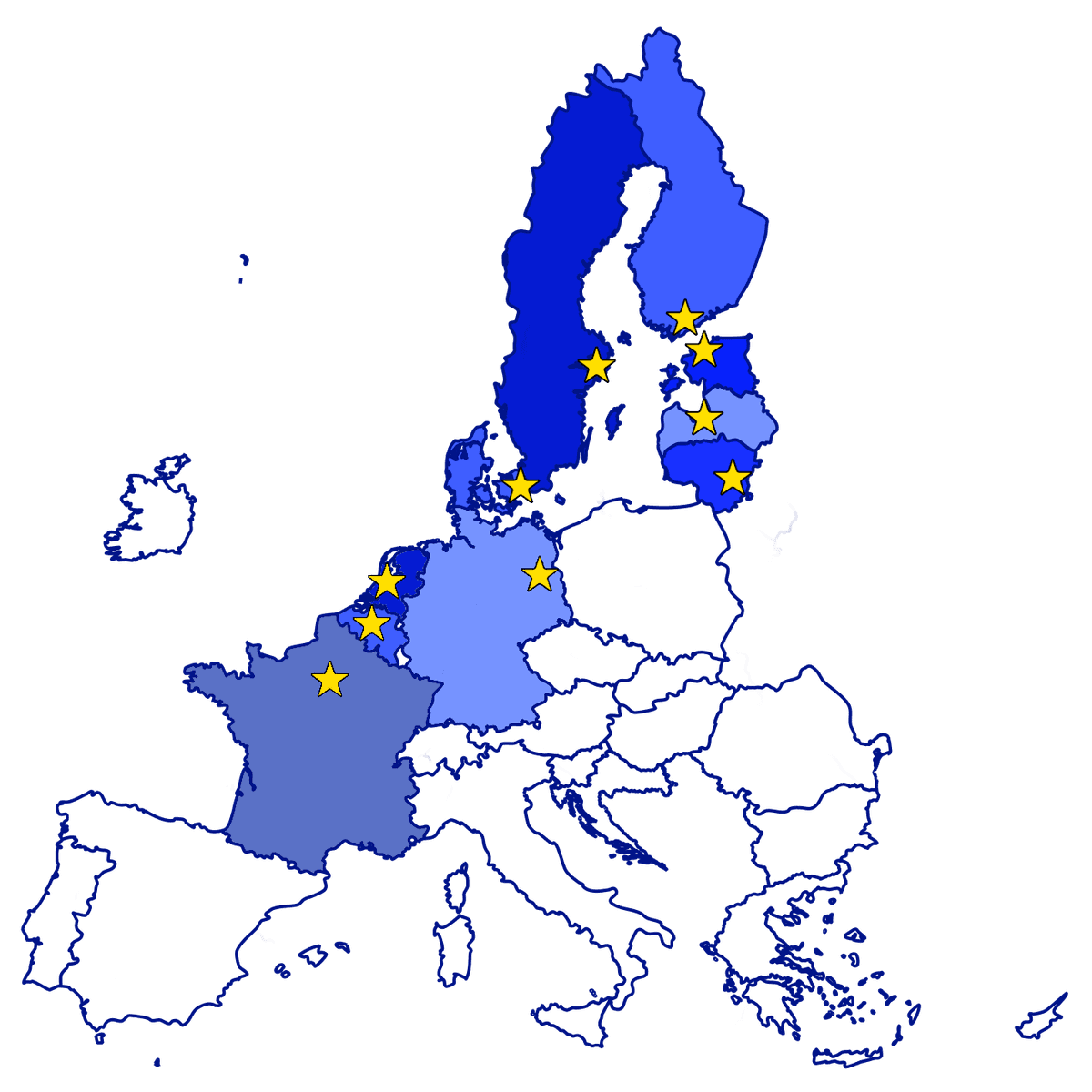
The project is carried out in collaboration with esteemed partners, including Vilnius University Institute of International Relations and Political Science (TSPMI VU) in Lithuania, the International Centre for Defence and Security (ICDS) in Estonia, Think Institute of International Affairs (FIIA), Swedish Institute of International Affairs (UI), Tank Europa and Danish Institute for International Studies (DIIS) in Denmark, Finnish Institute for European Politics (IEP) in Germany, Clingendael Institute in the Netherlands, Trans European Policy Studies Association (TEPSA) in Belgium and French Institute of International Relations (IFRI).
Join us for a thought-provoking dialogue on the future of Europe!
Opening Addresses
18:00 - 37:25
Speakers
- Daiga Mieriņa, Speaker of the Parliament of the Republic of Latvia
- Andris Kužnieks, Head of the European Commission Representation in Latvia
- Dr. Una Aleksandra Bērziņa-Čerenkova, Director of the Latvian Institute of International Affairs
Opening Keynote Conversation: Foreign Policy for Europe
37:25 - 1:10:05
The foreign policy of the European Union is dedicated to protecting its citizens and upholding the EU’s values and interests on the global stage, including the promotion of peace, security, a rules-based international system, multilateralism, international trade, and democratic principles. The world is changing, and a multipolar order is emerging. Therefore, this Conversation aims to determine the extent of the EU’s autonomy and power in the emerging global order.
Speakers
- Jakob Hallgren (Moderator), Director, Swedish Institute of International Affairs
- Baiba Braže, Minister of Foreign Affairs of the Republic of Latvia
Panel Conversation: Political Like-Mindedness in Europe
1:10:05 - 2:12:40
Political like-mindedness in Europe is essential for its survival. The ability of member states and like-minded neighboring countries to align is shaped by historical experiences, cultural identities, and contemporary geopolitical challenges. Political like-mindedness in the EU and political alliances drive collective action. Therefore, this Conversation aims to examine the drivers of ideological alignment in the EU and to identify those who contest European unity.
Speakers
- Dr. Funda Tekin (Moderator), Director, Institute for European Politics (IEP), Germany
- Edmunds Cepurītis, Chairman of the European Affairs Committee of the Saeima of the Republic of Latvia
- Ville Kaunisto, Member of the Parliament of Finland
- Dr. Ágnes Vadai, Member of the National Assembly of Hungary
- Dr. Tomáš Strážay, Director, Research Center of the Slovak Foreign Policy Association
Panel Conversation: Budget for Europe 2028-2034
2:32:50 - 3:29:05
The next Multiannual Financial Framework will set the EU’s priorities for a period marked by geopolitical uncertainty and economic transition. The needs are great, as Europe craves investment in boosting competitiveness, social cohesion, climate action, digital transformation, and most importantly, security. Therefore, this Conversation aims to examine the design of the next EU budget to meet rising strategic demands while maintaining unity and fairness among its citizens.
Speakers
- Dr. Lucia Mokrá (Moderator), Chairperson of the Board, TEPSA
- Dr. Roberts Zīle, Vice-President of the European Parliament
- Dr. Eulalia Rubio, Associate Senior Research Fellow, CEPS
- Dr. Thomas Damsgaard Tørsløv, Chief Economist, Think Tank EUROPA (online)
Interim Keynote Conversation: Security for Europe
3:29:05 - 4:14:40
Europe’s role in a changing global landscape continues to evolve, shaped by shifting dynamics and growing interdependence. In recent years, the EU and its member states have placed greater emphasis on strengthening resilience, fostering strategic cooperation, and deepening partnerships with key allies. Against this backdrop, this Conversation aims to reflect on Europe’s current position, highlight its progress, and explore the shared efforts needed to ensure a stable, secure, and prosperous future for its citizens.
Speakers
- Helga Kalm (Moderator), Deputy Director, International Centre for Defence and Security
- Yves Leterme, Former Prime Minister of Belgium (online)
Parallel Conversation: Europe’s Geopolitical Partners and Challengers (The Baltic Hall)
5:02:35 - 6:03:30
The EU’s neighborhood traditionally has been a place for political altercations and geopolitical struggles in one way or another. The Southern, Eastern and now Nordic regions have caused concerns and tensions that the EU member states must stand united against. The EU is urgently assessing and balancing its strategic interests with values-based engagement and long-term commitments. Therefore, this Conversation will examine the strategies and concepts that the EU needs to adopt to prevent and overcome the dangers it is facing from outside.
Speakers
- Dr. Margarita Šešelgyte, Director, Vilnius University Institute of International Relations and Political Science
- Egils Levits, President of the Republic of Latvia (2019-2023)
- Dr. Thomas Gomart, Director, French Institute of International Affairs
- Dr. Hans Mouritzen, Senior Research Fellow, Danish Institute for International Studies
The EU and its Eastern Neighbors (Budget and Finance (Taxation) Committee meeting room)
Some of Europe’s eastern neighbors are unfriendly and hostile towards the rule-based world order, Western civilization and the European Union. The EU continues sanctioning and denouncing Russia for its violence against Ukraine, while concerns and hybrid confrontations in the Baltic Sea region are becoming more frequent. Diplomatic tools, economic sanctions, and a military buildup in Europe have not resulted in strategic recalculations in Russia or ceased Russia’s violent and risky behavior. Therefore, the aim of this Conversation is to examine the remaining options for Europe to de-escalate Russia’s aggressive behavior.
Speakers
- Dr. Louise van Schaik (Moderator), Head of Unit, EU and Global Affairs, Clingendael
- Reinis Pozņaks, Member of the European Parliament
- Dr. Anaïs Marin, Associate fellow, Russia and Eurasia Programme, Chatham House
- Tuomas Iso-Markku, Senior Research Fellow, Finnish Institute of International Affairs
Closing Conversation: Enlargement of Europe
6:24:00 - 7:25:20
EU enlargement remains the strongest transformative instrument for the EU. Enlargement demonstrates both the EU’s attractiveness and the modernization power of pre-accession conditionality. Enlargement is never without geopolitical rationale and often the political and merit-based requirements diverge. Therefore, this Conversation will examine the expectations and realities that EU decision makers will be facing with regards to Eastern European and Western Balkan countries accessing the organization.
Speakers
- Dr. Michael Holmes (Moderator), Lecturer, Catholic University of Lille
- Dr. Giulio Venneri, Deputy Head of the Enlargement Strategy and Coordination Unit, DG ENEST, European Commission (online)
- Kristina Baleišytė, Minister Plenipotentiary (COELA), Permanent Representation of Lithuania to the EU
- Martin Vokálek, Executive Director, EUROPEUM Institute for European Policy
Speakers
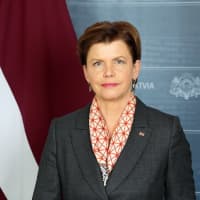
Baiba Braže
Minister of Foreign Affairs of the Republic of Latvia
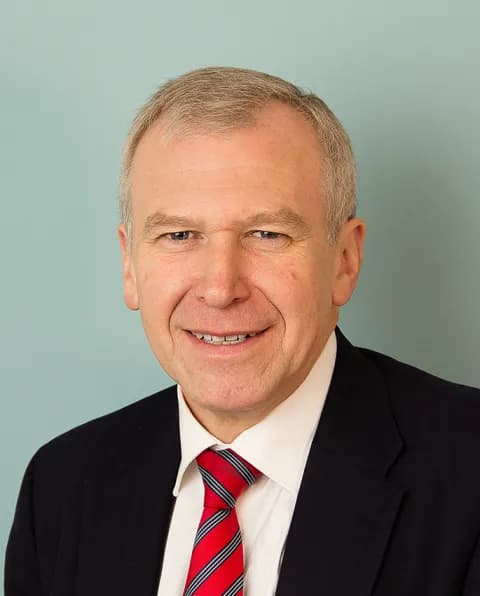
Yves Leterme
Former Prime Minister of Belgium
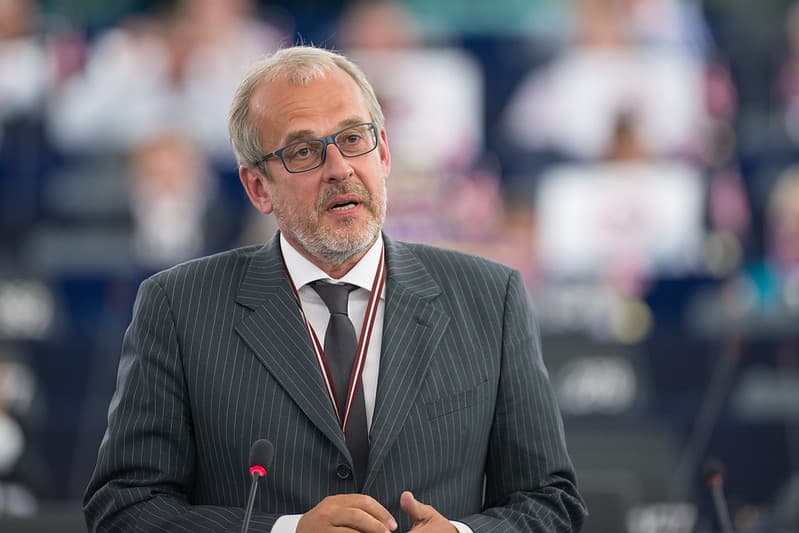
Dr. Roberts Zīle
Vice-President of the European Parliament
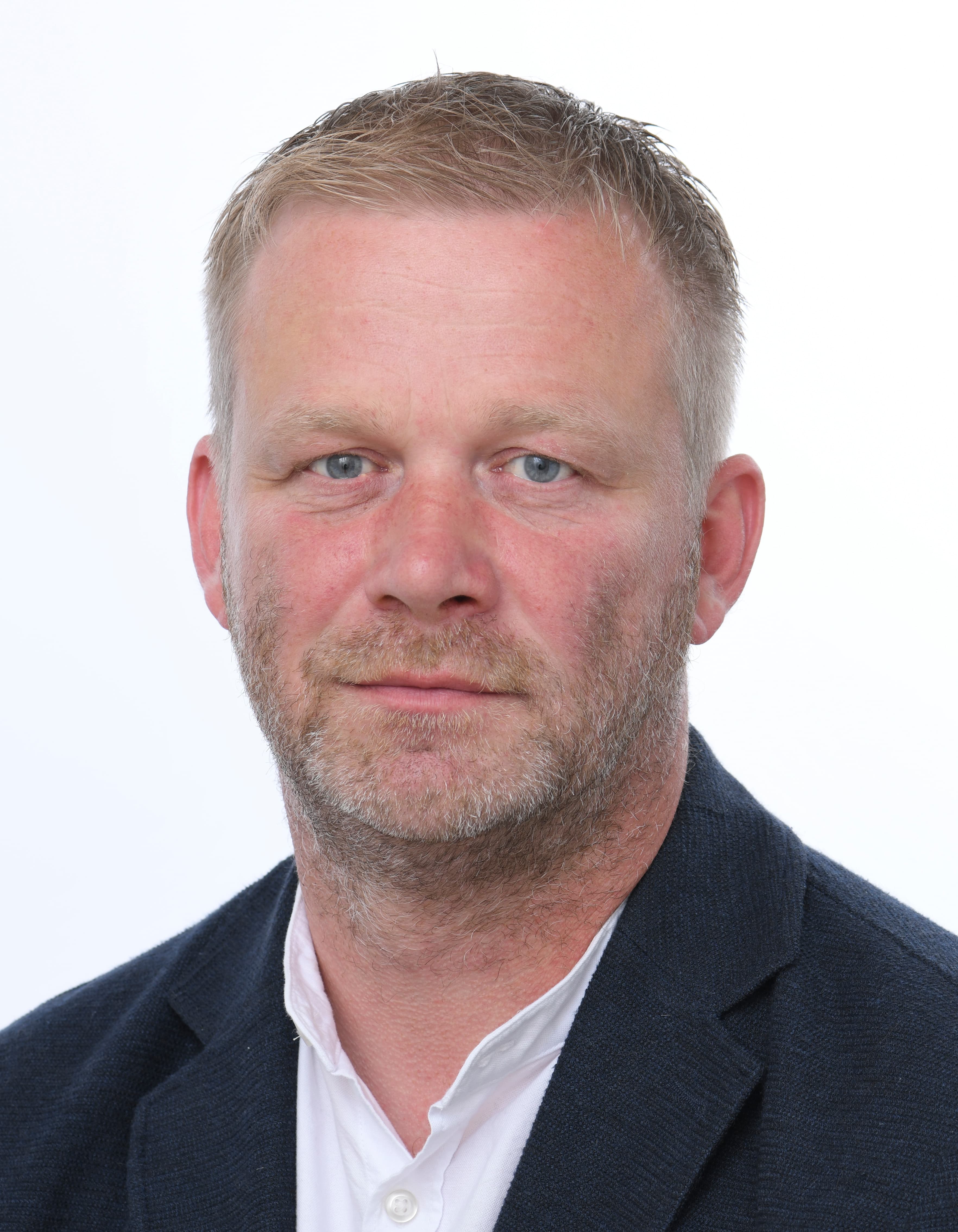
Reinis Pozņaks
Member of the European Parliament
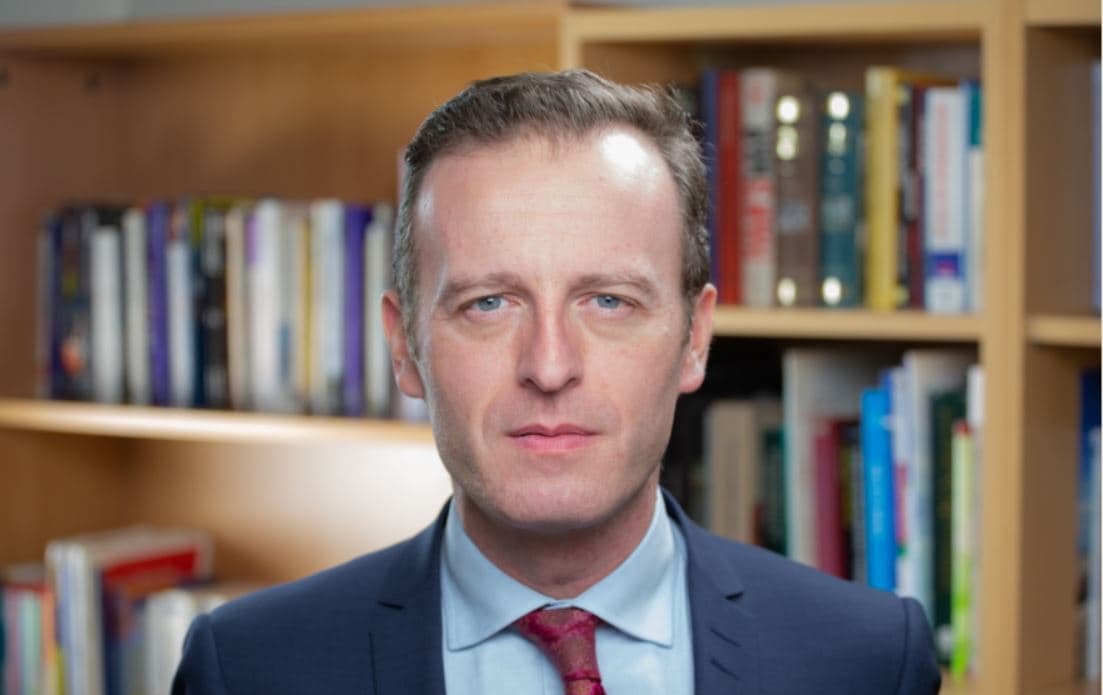
Dr. Thomas Gomart
Director, French Institute of International Affairs
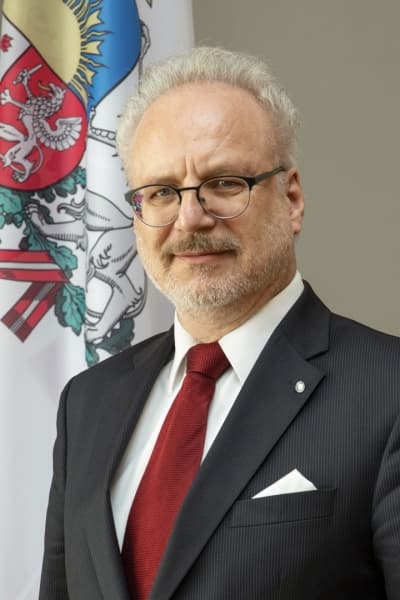
Egils Levits
President of the Republic of Latvia (2019-2023)
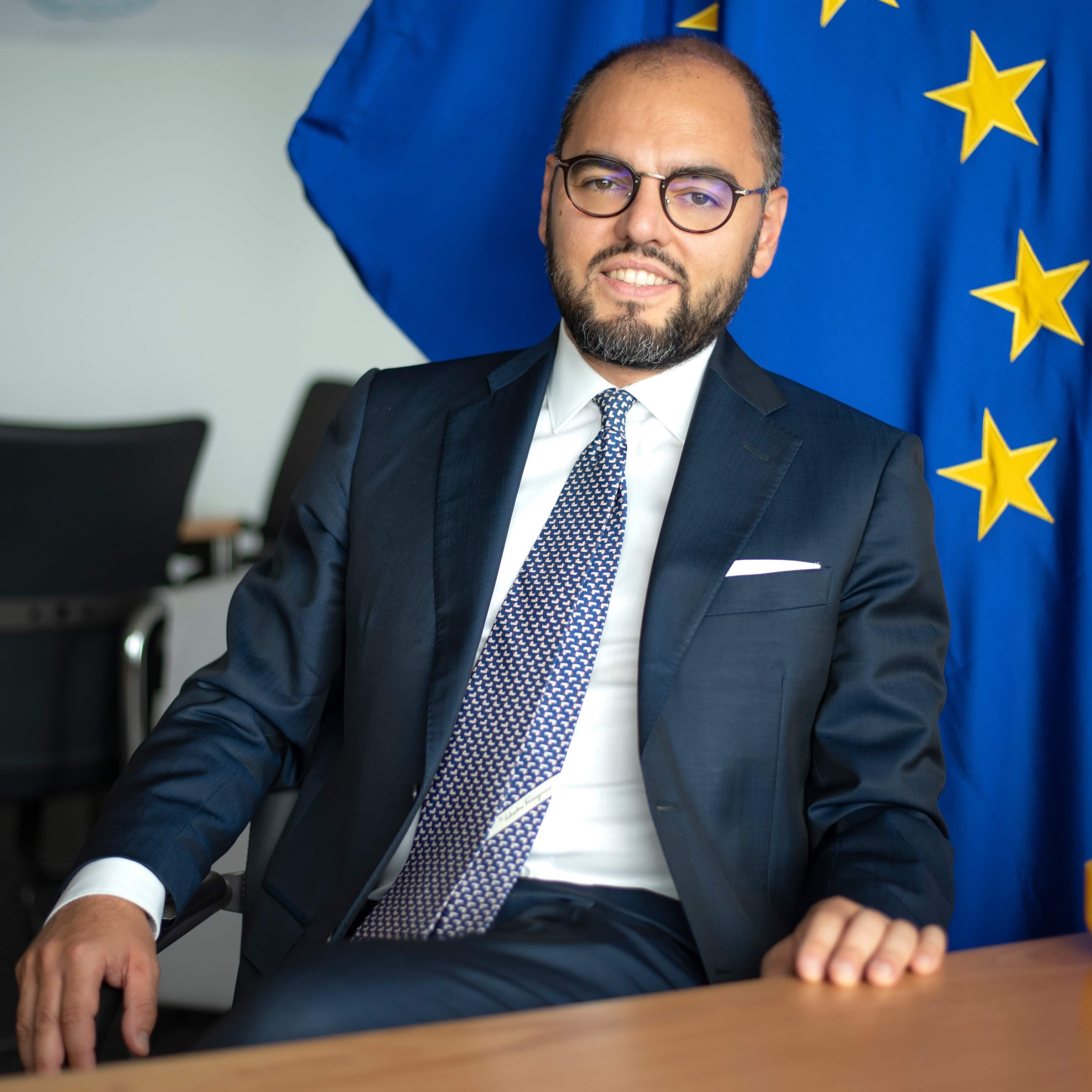
Dr. Giulio Venneri
Deputy Head of the Enlargement Strategy and Coordination Unit, DG ENEST, European Commission
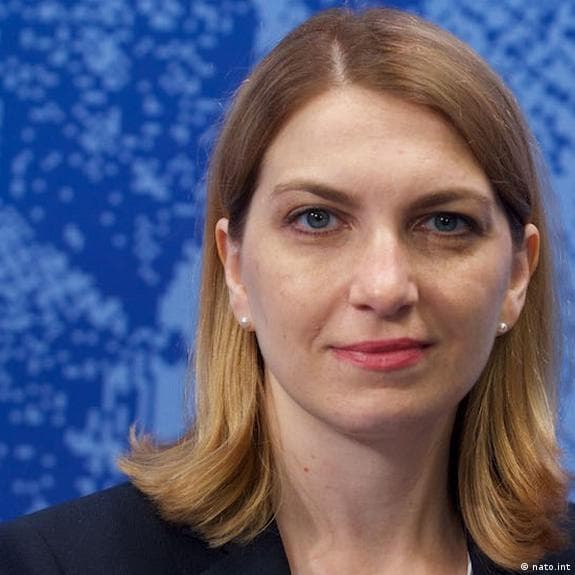
Kristina Baleišytė
Minister Plenipotentiary (COELA) Permanent Representation of Lithuania to the EU
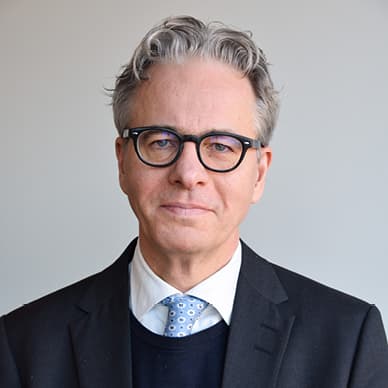
Jakob Hallgren
Director of Swedish Institute of International Affairs
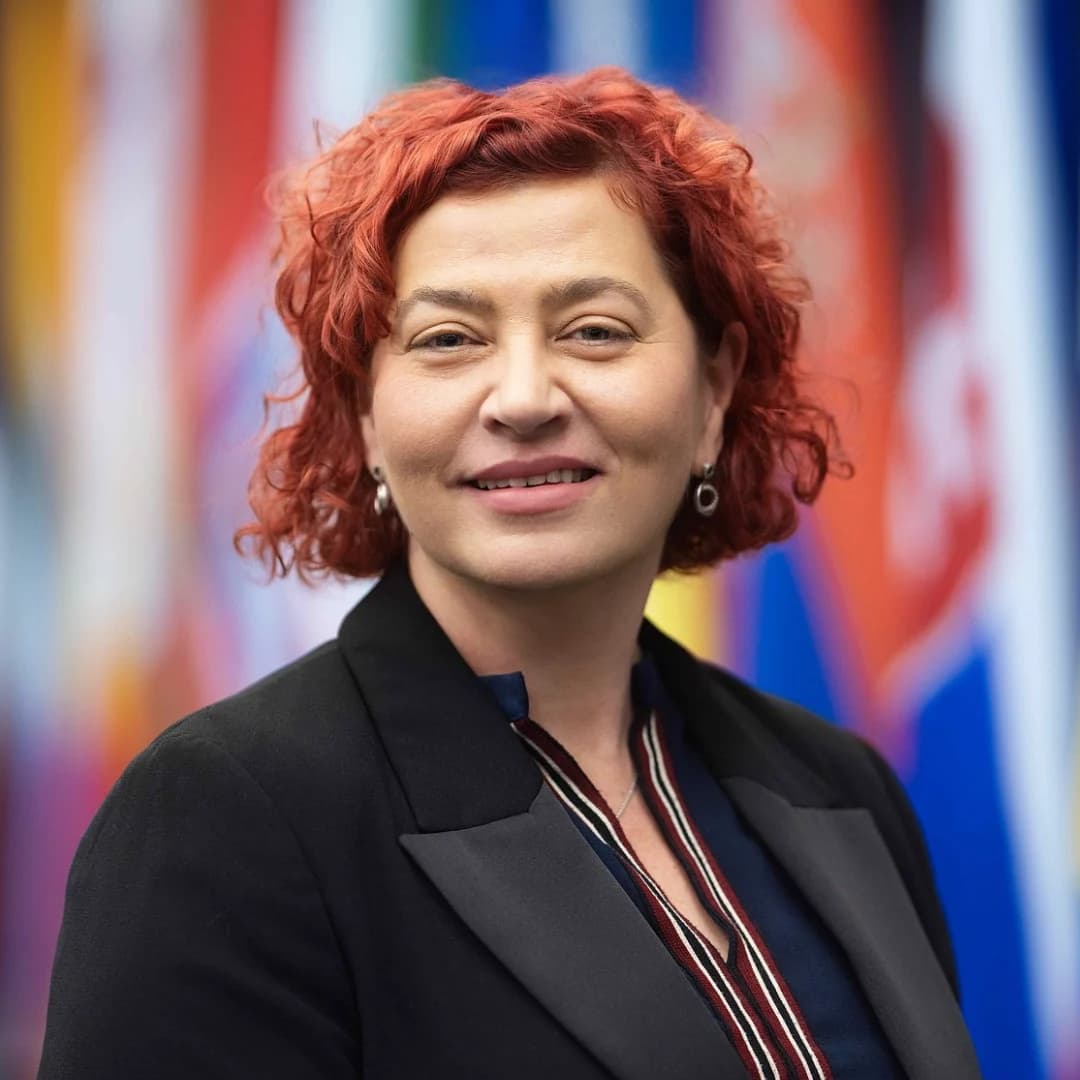
Dr. Ágnes Vadai
Member of the National Assembly of Hungary
Dr. Tomáš Strážay
Director, Research Center of the Slovak Foreign Policy Association
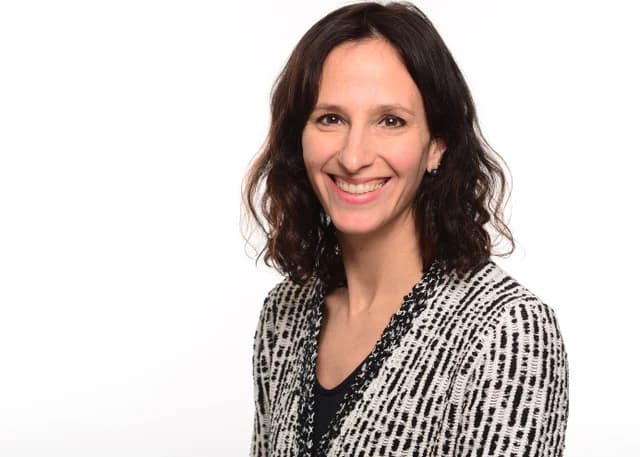
Dr. Funda Tekin
Director, the Institute for European Politics (IEP)
Ville Kaunisto
Member of the Parliament of Finland
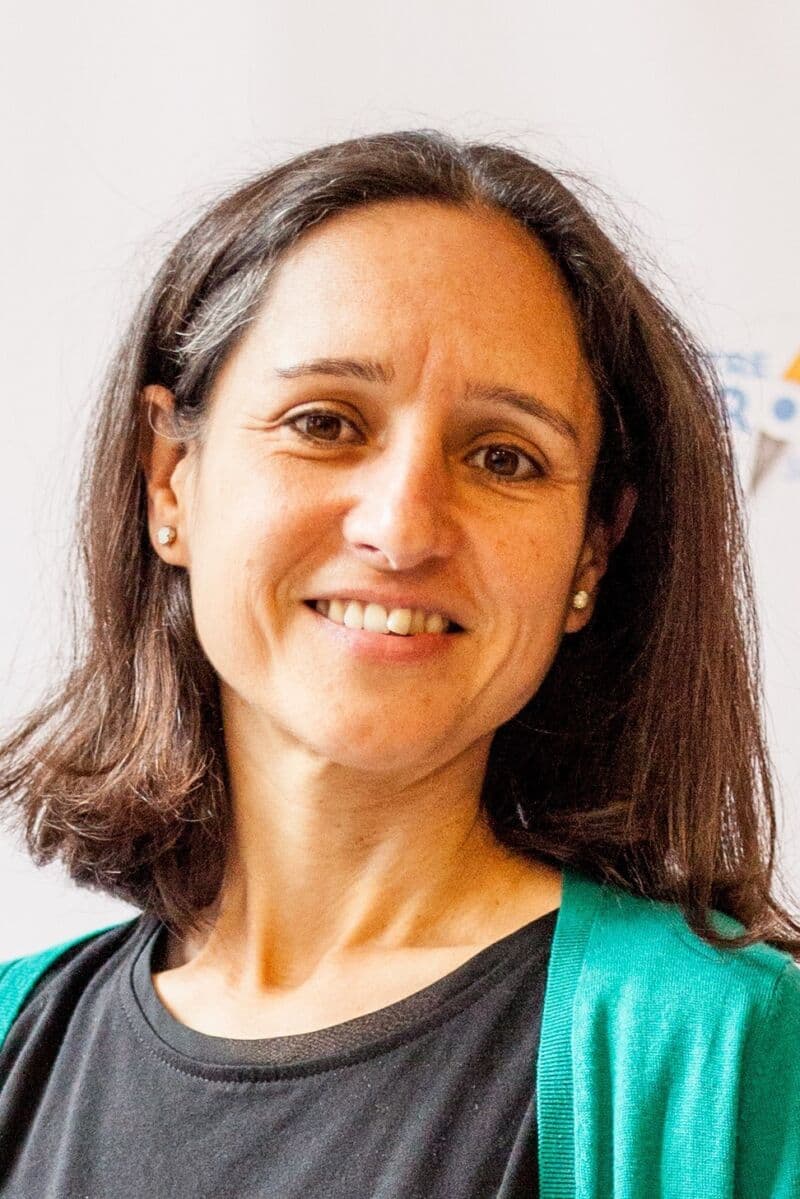
Dr. Eulalia Rubio
Associate Senior Research Fellow, CEPS

Dr. Lucia Mokrá
Chairperson of the Board, TEPSA
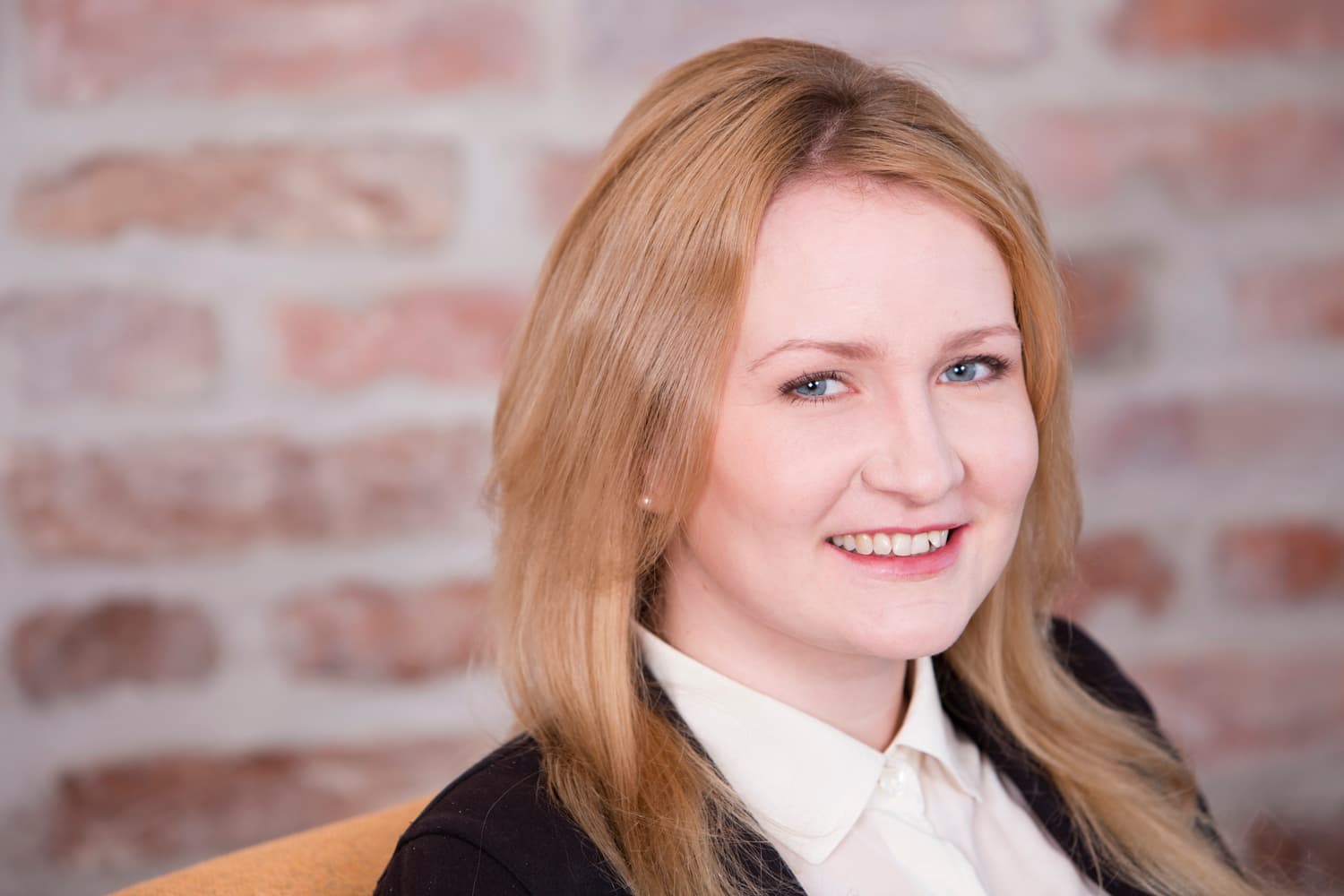
Helga Kalm
Deputy Director, International Centre for Defence and Security
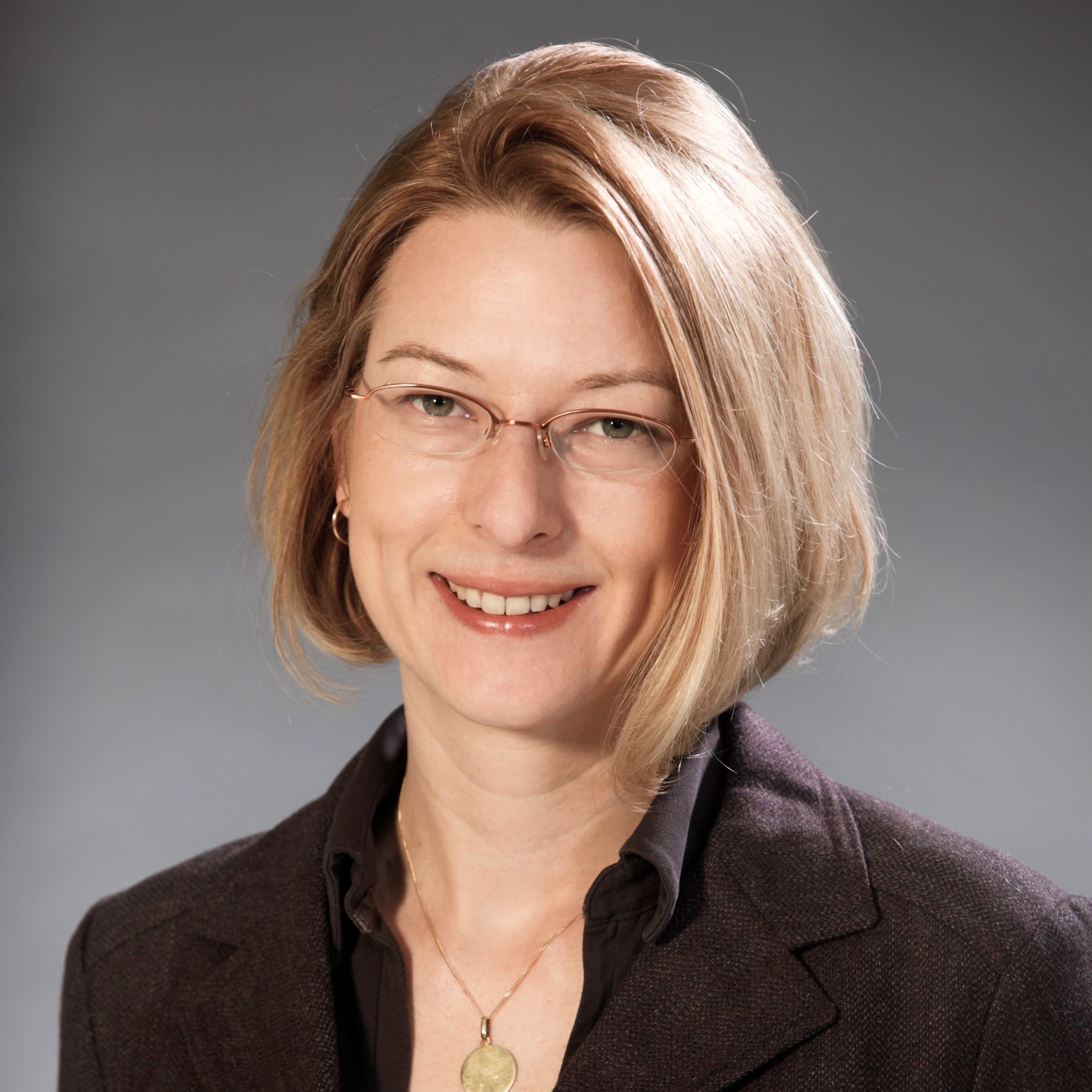
Dr. Anaïs Marin
Associate fellow, Russia and Eurasia Programme at Chatham House
Dr. Hans Mouritzen
Senior Research Fellow, Danish Institute for International Studies
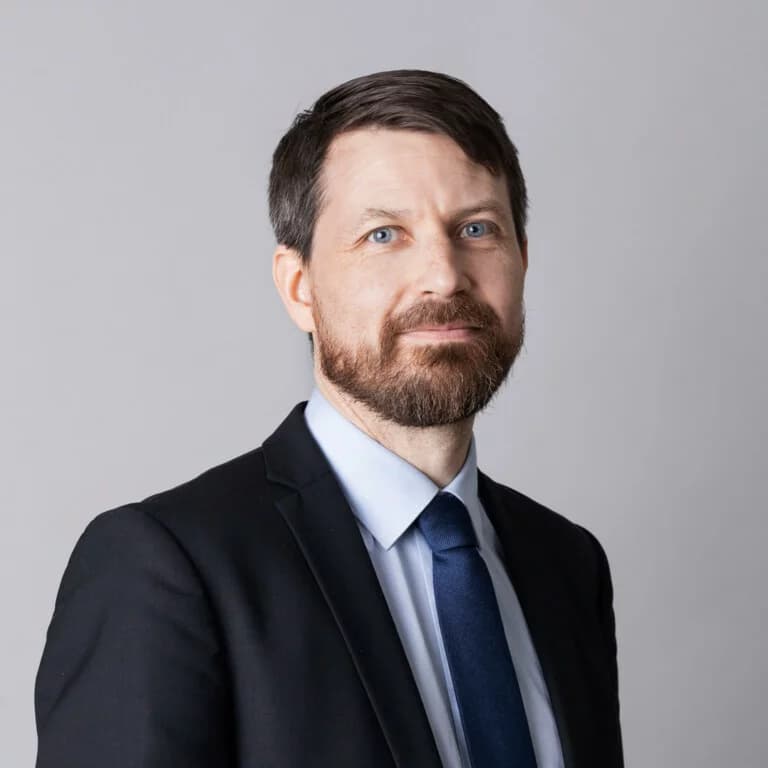
Tuomas Iso-Markku
Senior Research Fellow, Finnish Institute of International Affairs
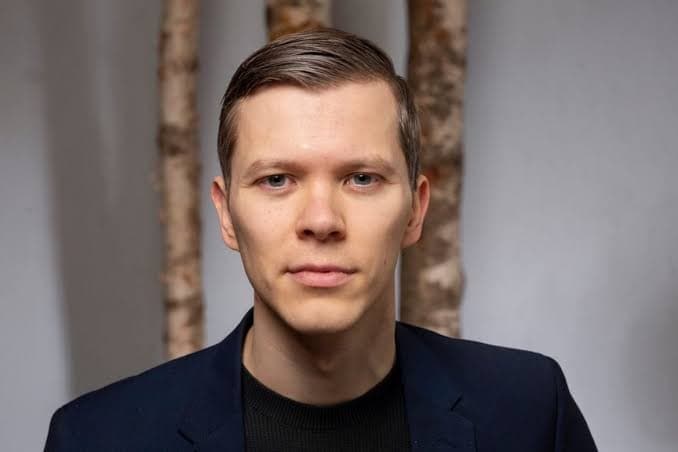
Edmunds Cepurītis
Chairman of the European Affairs Committee of the Saeima of the Republic of Latvia
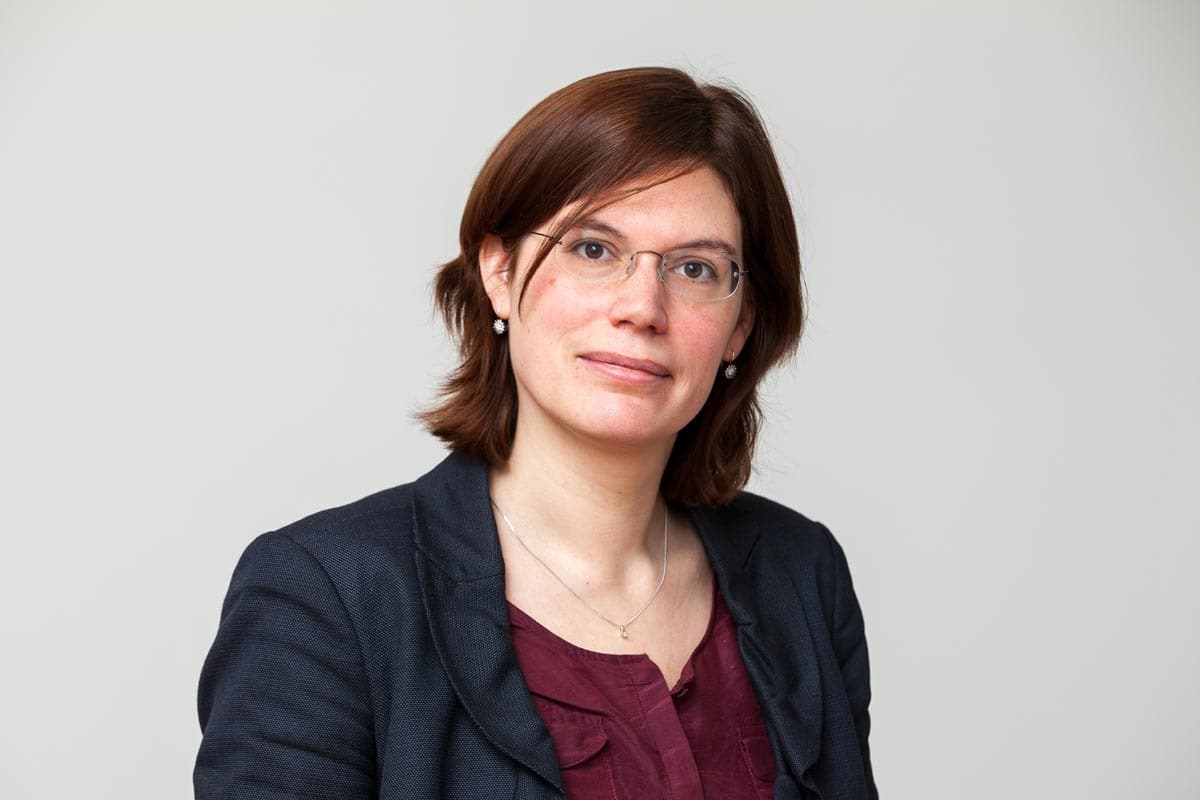
Dr. Louise van Schaik
Head of Unit, EU and Global Affairs, Clingendael
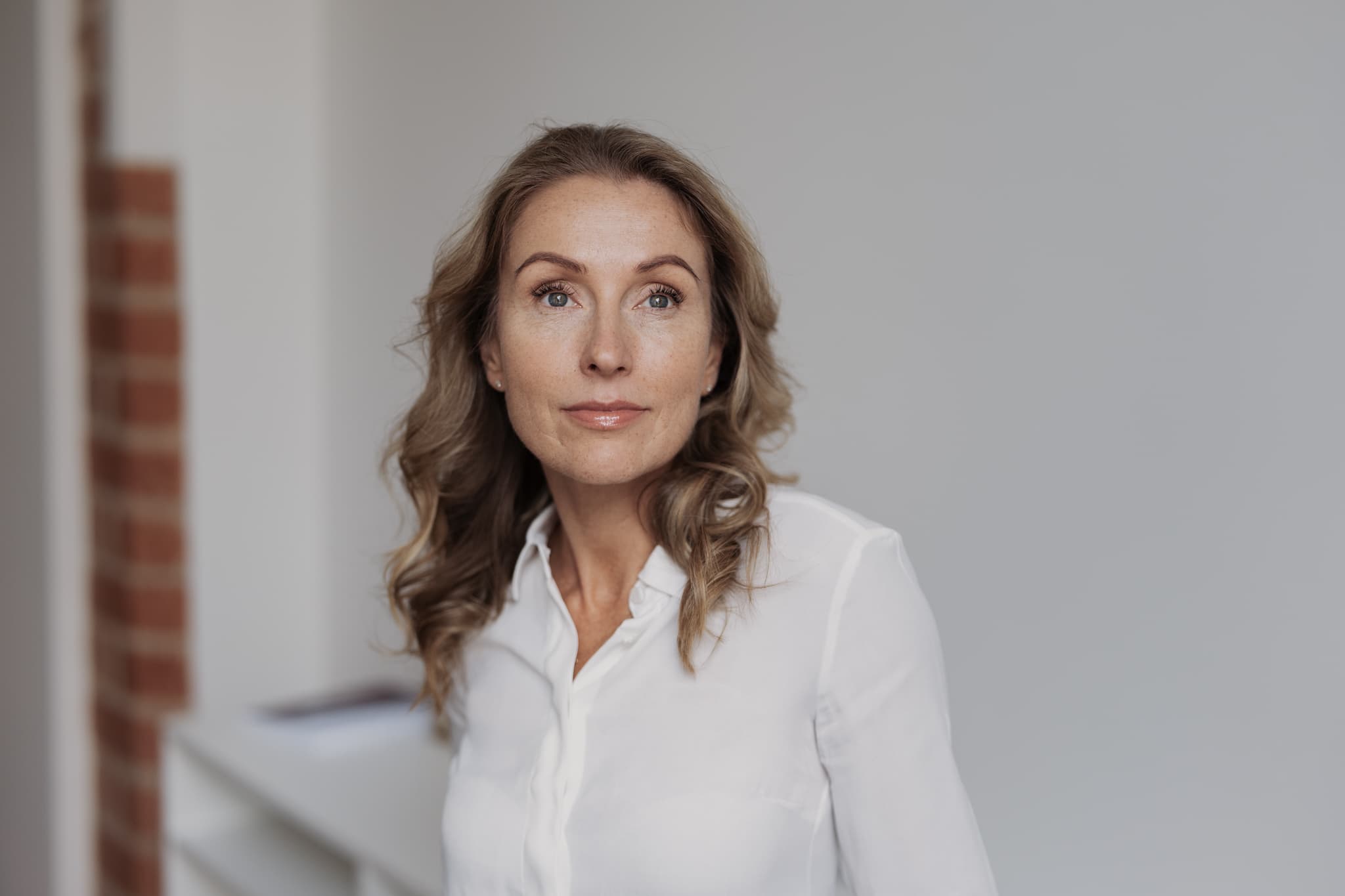
Dr. Margarita Šešelgyte
Director, Vilnius University Institute of International Relations and Political Science
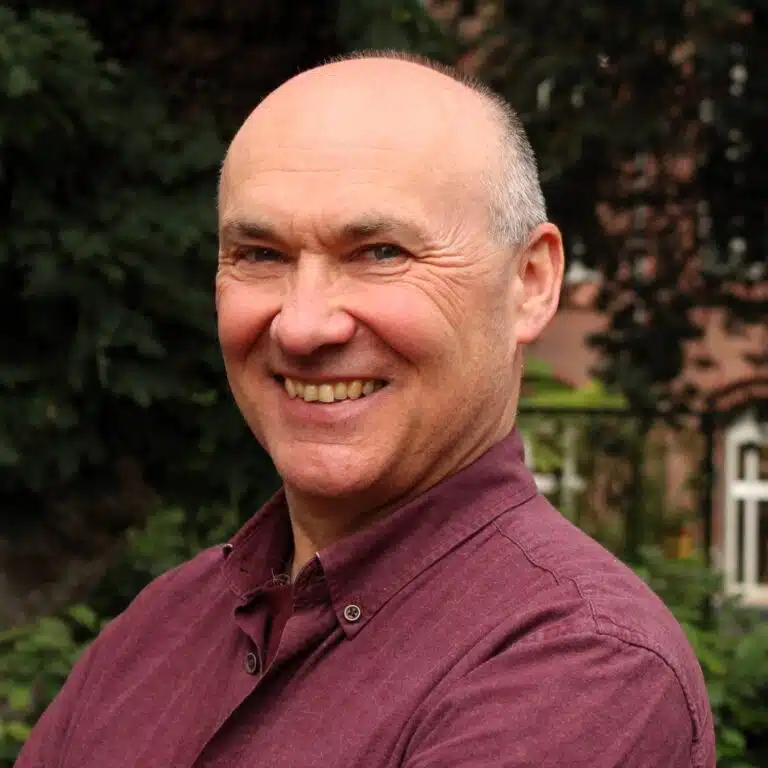
Dr. Michael Holmes
Associate Professor in Political Science, Catholic University of Lille
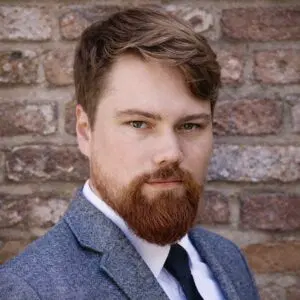
Martin Vokálek
Executive Director, EUROPEUM Institute for European Policy
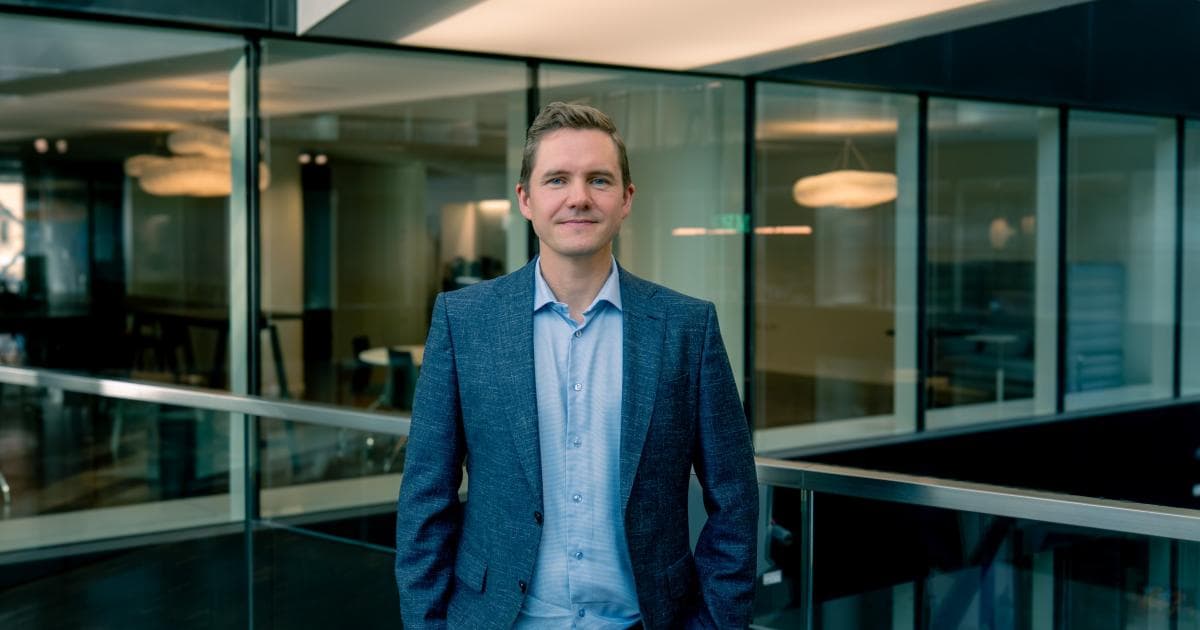
Dr. Thomas Damsgaard Tørsløv
Chief Economist, Think Tank EUROPA
Past Speakers
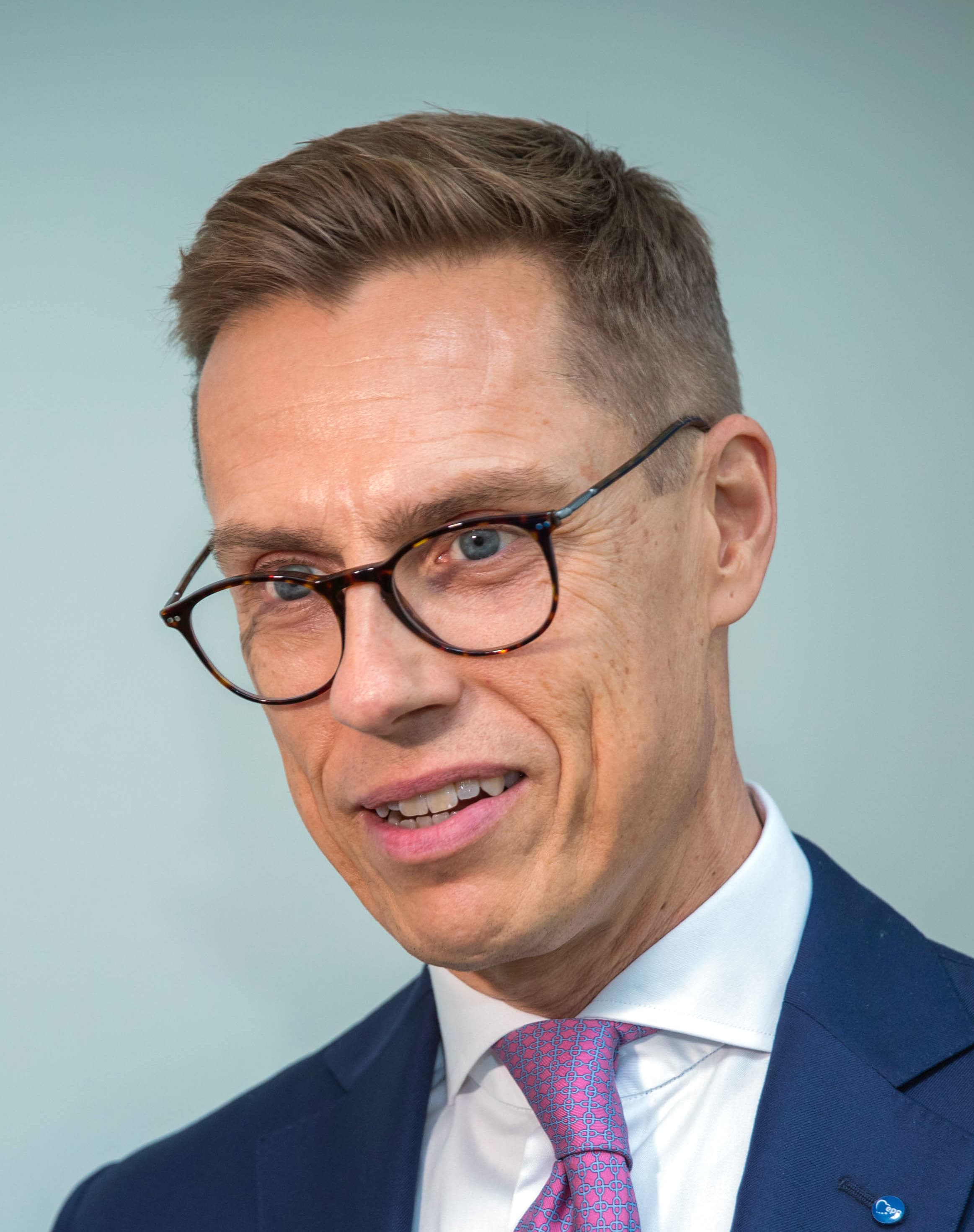
Dr. Alexander Stubb
Former Prime Minister of Finland (2014-2015), former Vice-President of the European Investment Bank (2017-2020), and Director of the Florence School of Transnational Governance.
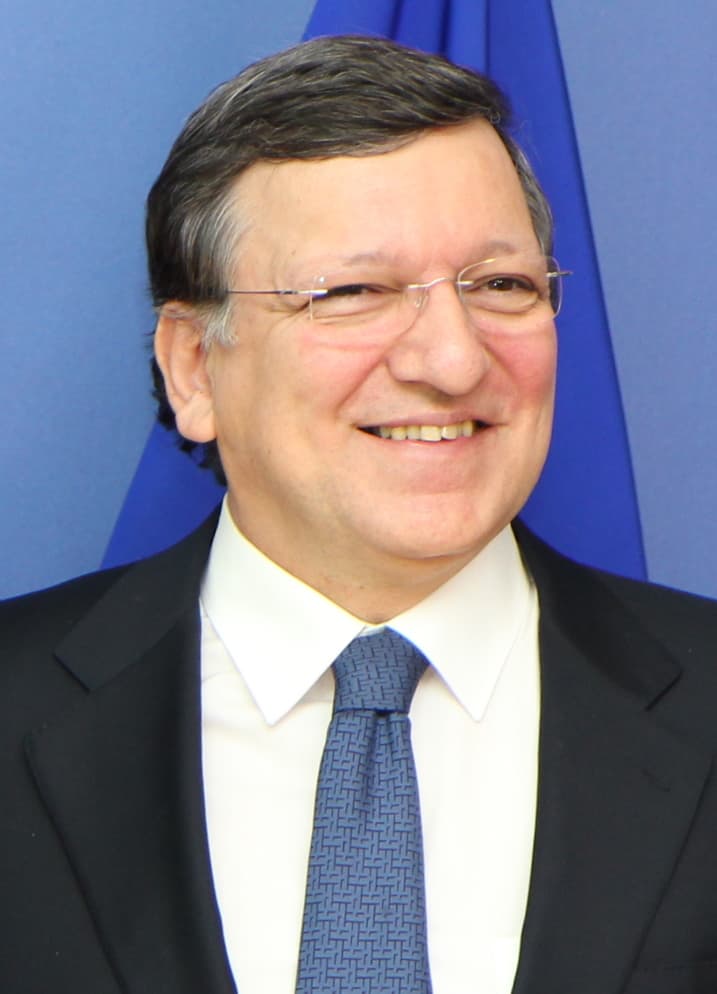
Dr. José Manuel Durão Barroso
Former Prime Minister of Portugal (2002-2004) and Former President of the European Commission (2004-2014). Chairman of the Gavi Board since 2021.
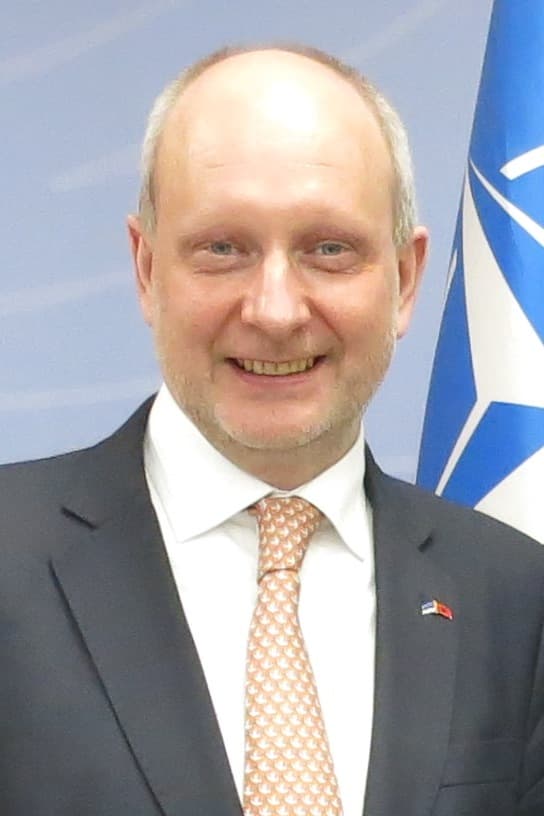
Matti Maasikas
Senior Estonian diplomat, and former ambassador of the EU to Ukraine (2019-2023), advisor on strategic issues to EEAS secretary general (since 2023).
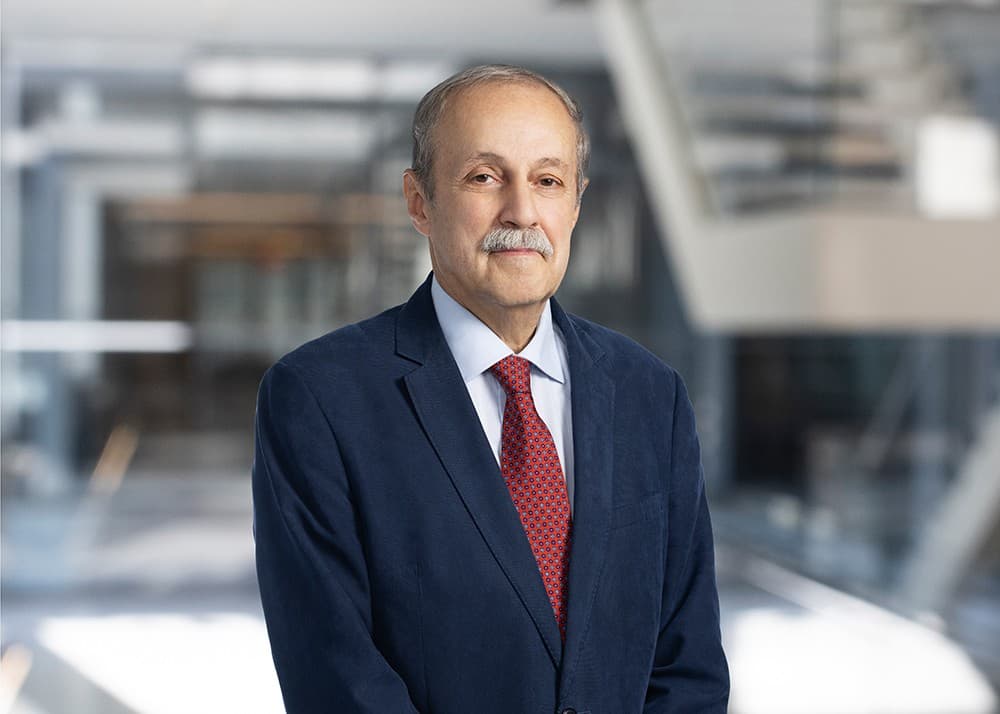
Peter Balas
Ambassador, a senior policy advisor, and a member of Covington’s Public Policy team.
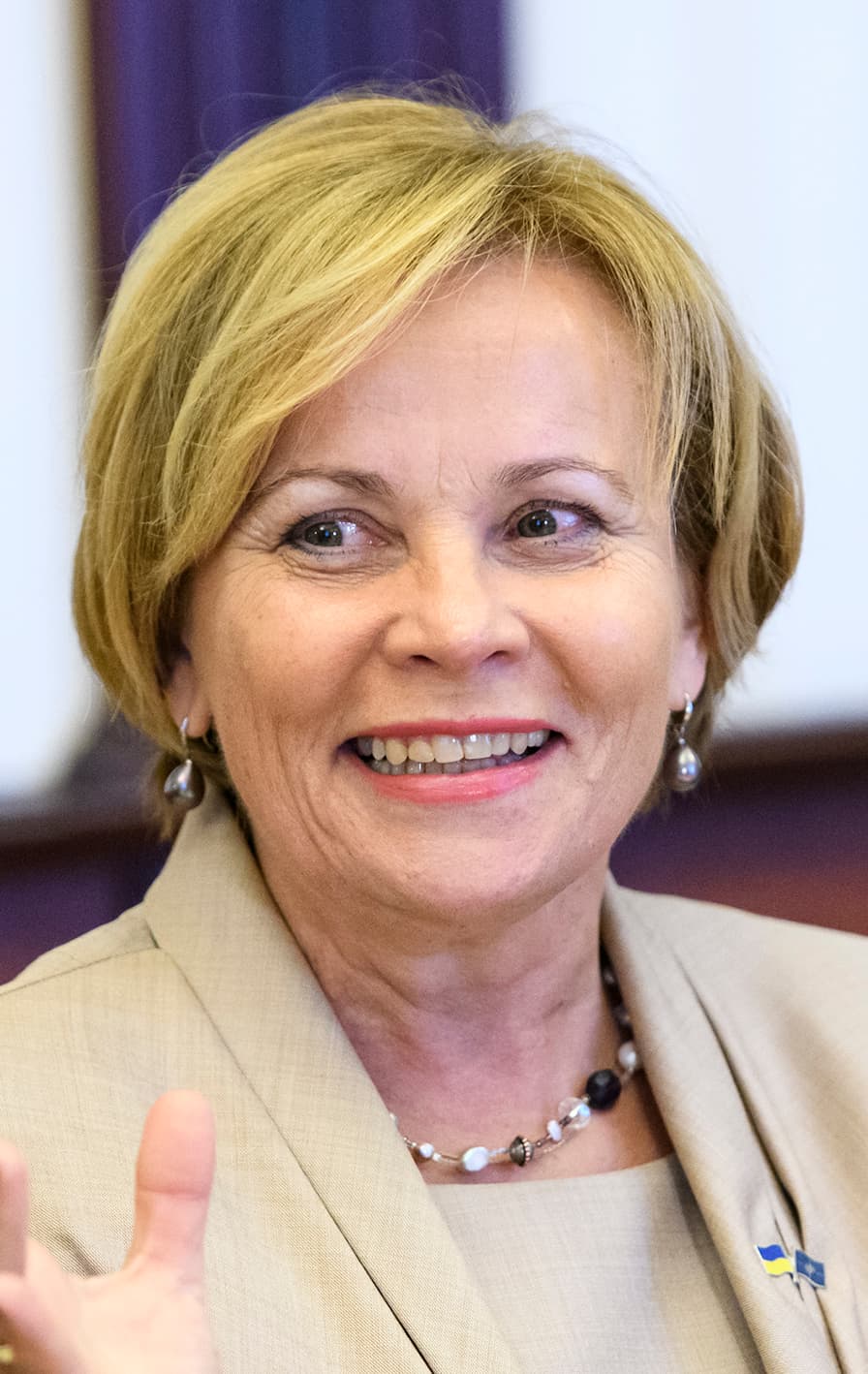
Rasa Juknevičienė
Member of the European Parliament, former Minister of Defense of Lithuania (2008-2012).
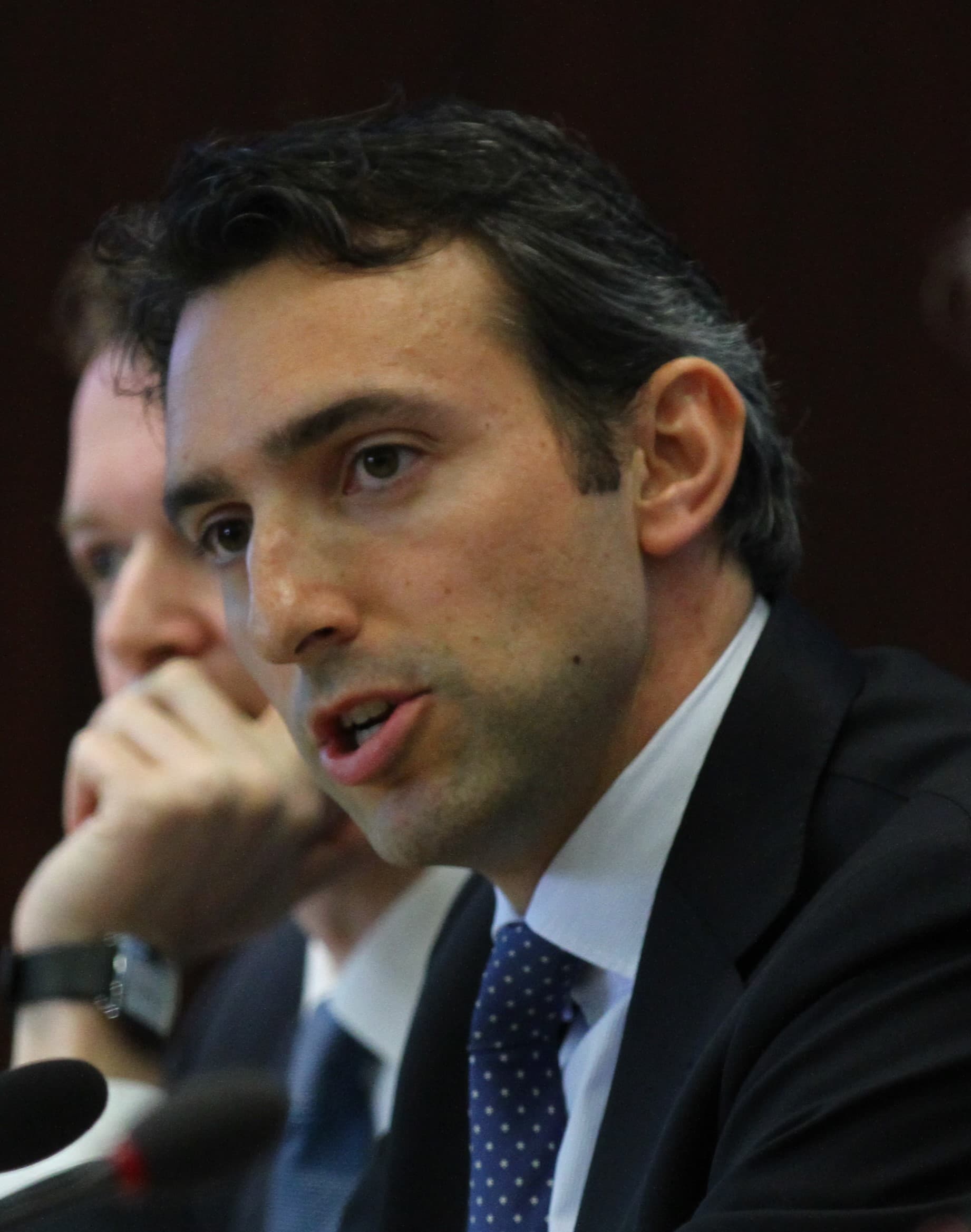
Dr. Rem Korteweg
Senior Research Fellow at the Clingendael Institute
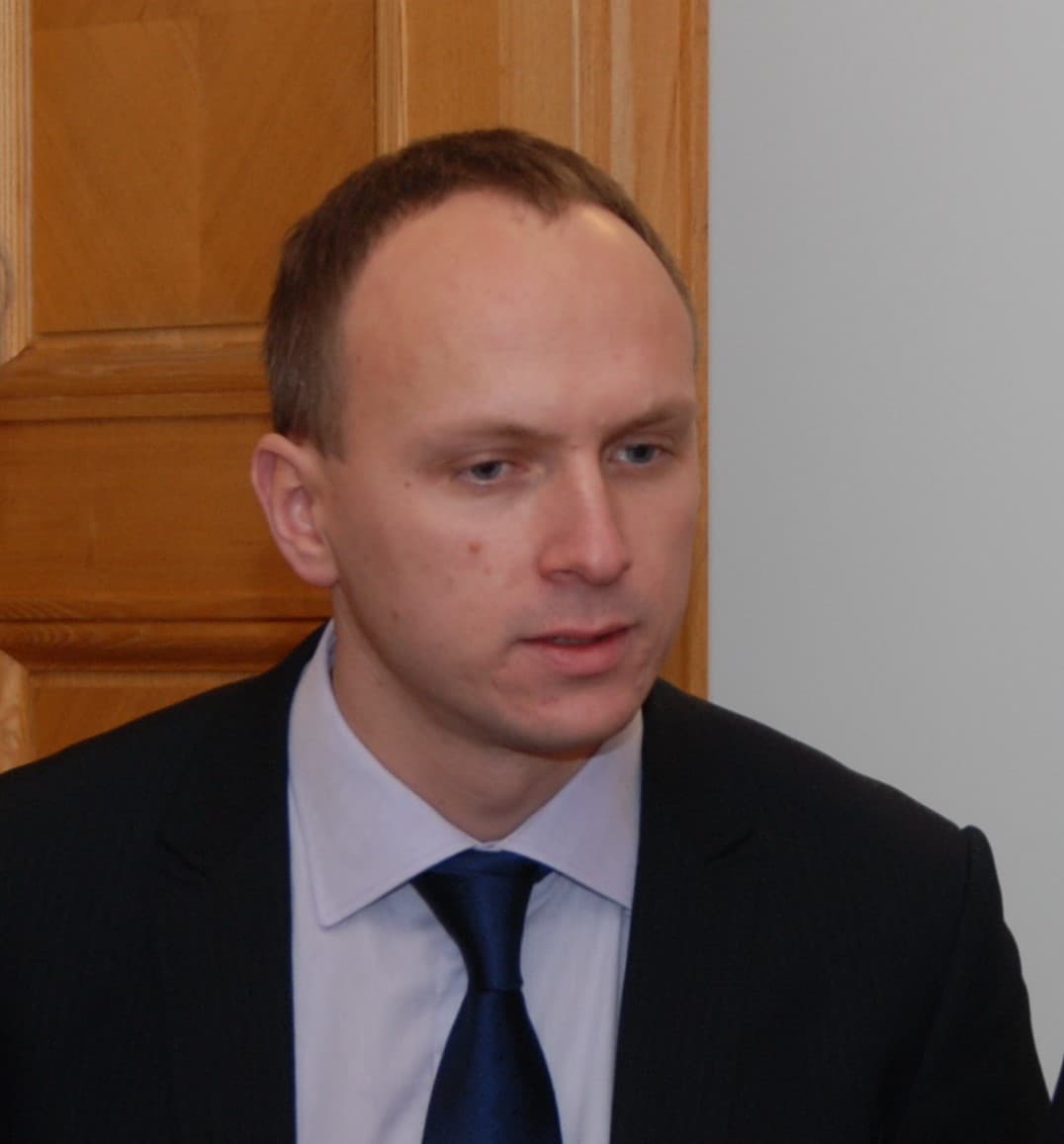
Mihails Kozlovs
Member at the European Court of Auditors, Dean of Chamber IV
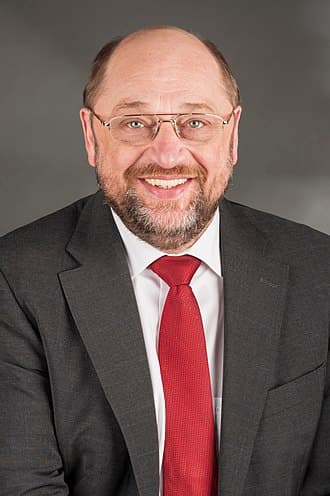
Martin Schulz
Former President of the European Parliament
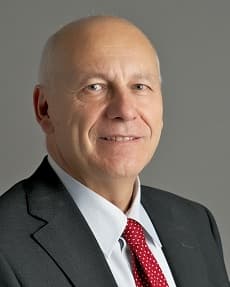
Jim Cloos
TEPSA Secretary-General, former Deputy Director-General, General Secretariat of the Council
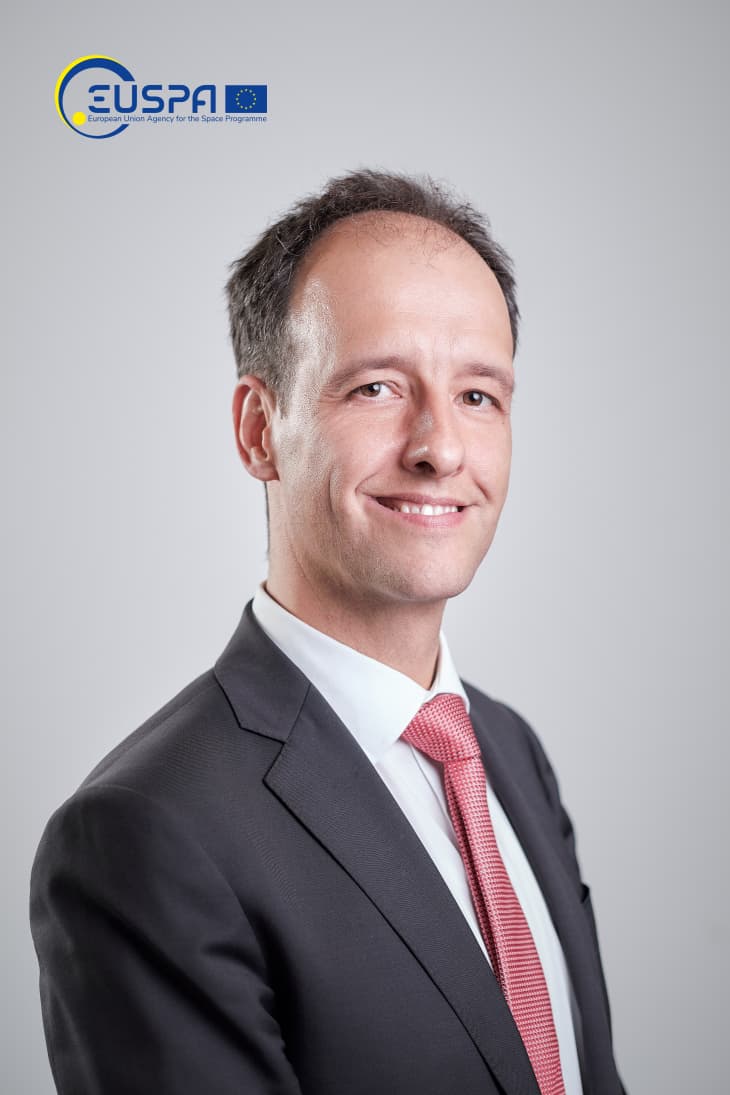
Rodrigo da Costa
Executive Director, European Union Agency for the Space Programme
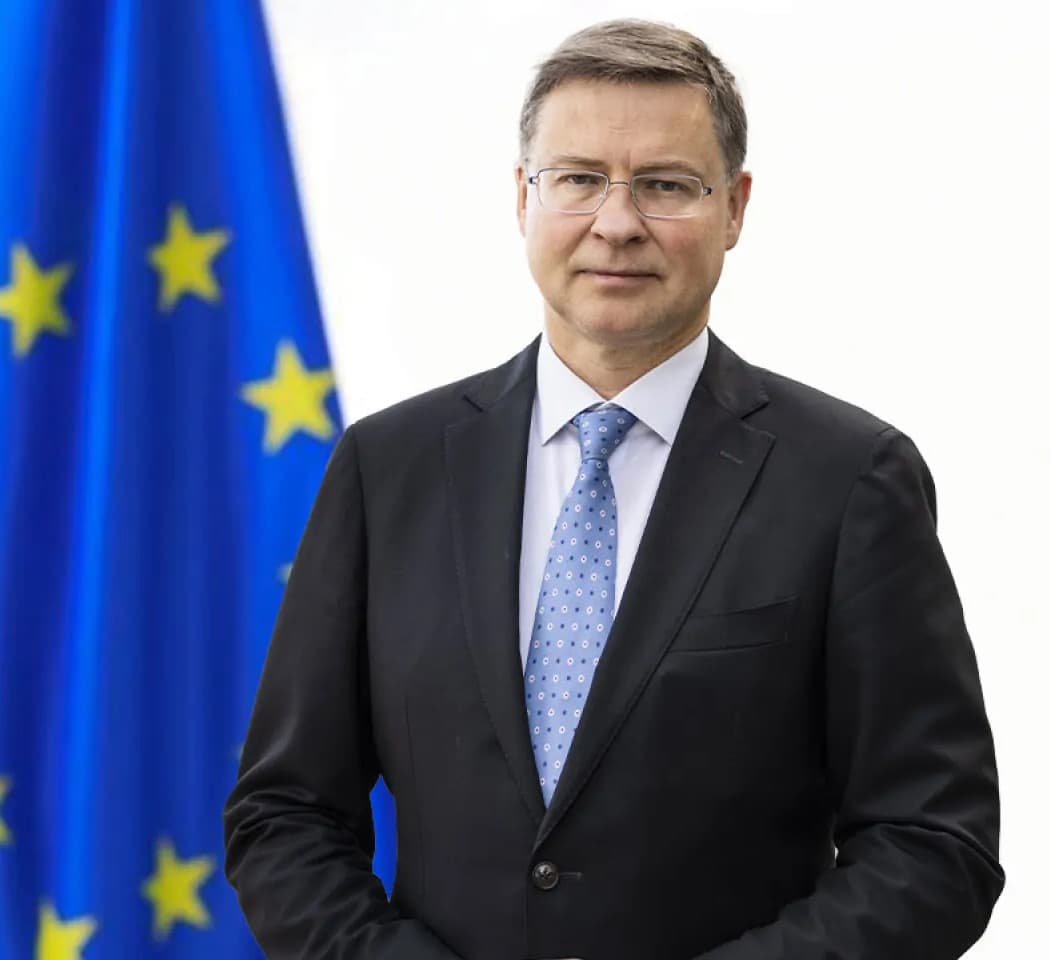
Valdis Dombrovskis
European Commissioner for Economy and Productivity; Implementation and Simplification
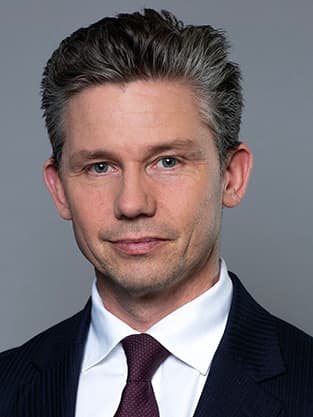
Dr. Pål Jonson
Minister of Defence of Sweden
About the EU Conversations
For the eleventh consecutive year, the EU Conversations has served as a premier international discussion platform, fostering dialogue and the exchange of ideas on key European Union issues while engaging a broad audience. Each year, this high-level event brings together leading decision-makers and experts from across the EU to enhance understanding and facilitate meaningful discussions on the future of Europe.
The Latvian Institute of International Affairs takes pride in its long-standing and close collaboration with the European Commission Representation in Latvia and the Parliament of the Republic of Latvia, ensuring a high-quality, diverse, and impactful discussion platform. Moreover, the EU Conversations stands out for its strong partnerships with leading think tanks from Estonia, Lithuania, Sweden, Finland, Denmark, Germany, the Netherlands, Belgium and France, which provide valuable insights and contribute to achieving the project’s objectives.
About the organisers
Latvian Institute of International Affairs (LIIA) is the oldest think tank in Latvia, and it aims to carry out scientific work and analytical research, as well as to provide expert opinions on Latvia’s challenges, development scenarios, and strategies within the international and regional security, political, and economic system. LIIA conducts research, issues publications, and organizes lectures, seminars, and conferences related to international policy issues, collaborating with Latvian and foreign partners on its projects.
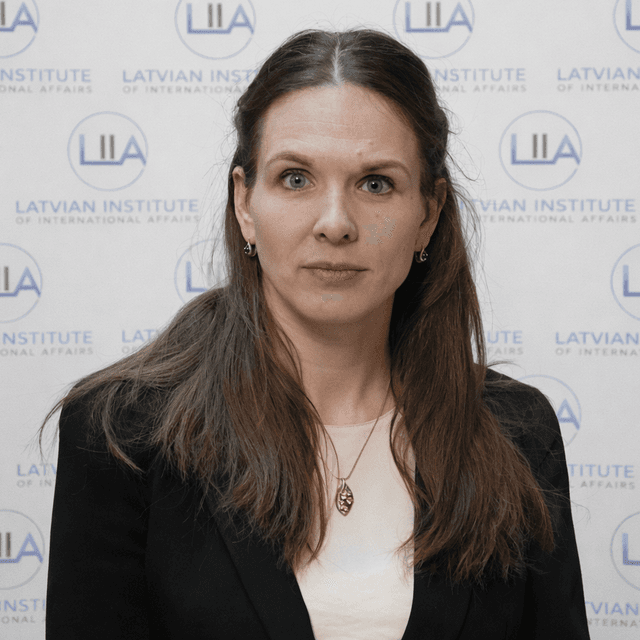
Dr. Una Aleksandra Bērziņa-Čerenkova
Director of Latvian Institute of International Affairs
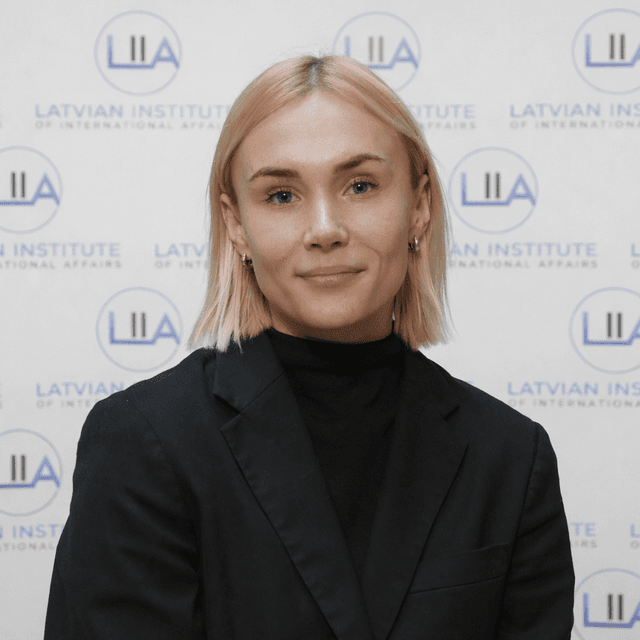
Sāra Elizabete Vīnberga
Project Lead and Researcher at Latvian Institute of International Affairs
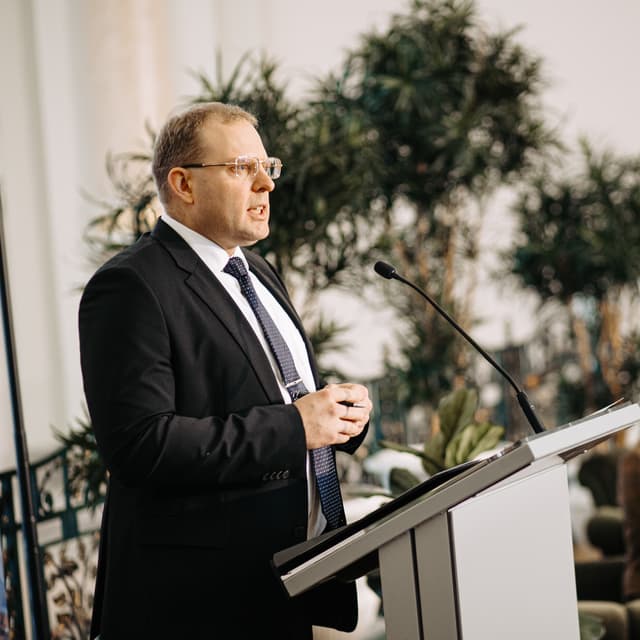
Dr. Kārlis Bukovskis
Member of Advisory Board at Latvian Institute of International Affairs and an Associate Professor at Riga Stradins University
Partners